Best Lafayette Pest Control Services for Commercial Buildings
Experienced Pest Management Approaches for a Pest-Free Home
Specialist pest control offerings deliver a structured method to achieving a bug-free home. By assessing particular home needs, specialists implement comprehensive pest control approaches that highlight both effectiveness and ecological responsibility. Understanding the nuances of common household pests is vital. Property owners may overlook early warning signs of pest invasion, which can cause to more serious complications. The upcoming sections will review approaches and preventive approaches that can defend homes from unwanted pests.
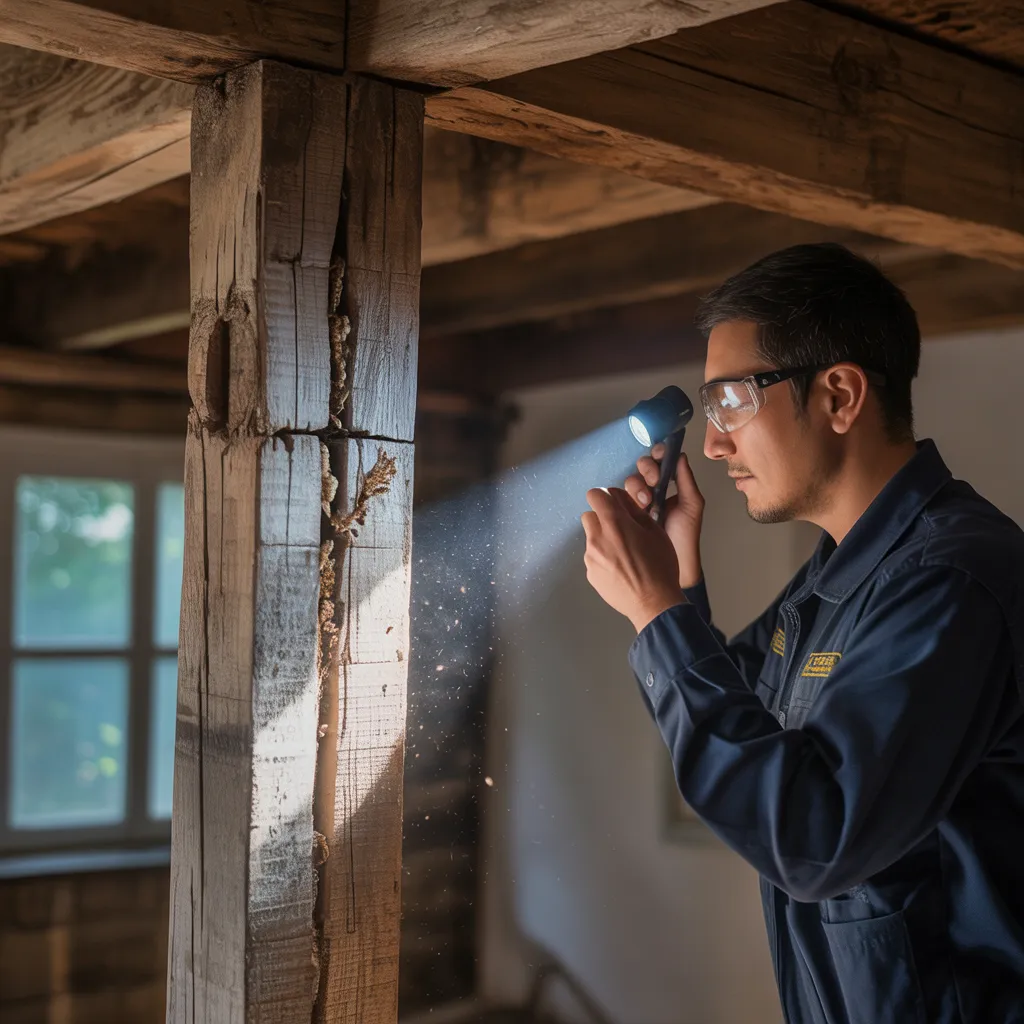
Learning About Prevalent Home Bugs and Related Hazards
Although many homeowners may downplay the threat that common household pests pose, understanding their risks is important for effective pest control. Household pests including rodents, cockroaches, and ants can cause considerable damage along with health concerns. Rodents, for instance, not only chew through wires and insulation but also spread diseases affecting humans. Cockroaches, known for their rapid reproduction, can induce allergies and asthma, especially in children. Ants may invade food supplies, causing contamination and potential illness. Moreover, termites present a serious risk to the structural soundness of homes, often going unnoticed until significant damage occurs. Each pest poses unique challenges, making early identification essential. By recognizing the dangers linked to these common pests, homeowners can take proactive steps to protect their living environments and maintain good health. Understanding these risks is the first step toward successful pest management.
Symptoms of Infestation: When to Get Expert Help
How can homeowners detect early signs of a pest infestation? Recognizing these clues can prevent extensive damage and health risks. Common signs include droppings, which vary according to pest type, and unusual sounds such as scratching or buzzing, often emitted by walls or ceilings. Homeowners should also check for gnaw marks on food packaging or furniture, pointing to rodent activity. In addition, the presence of discarded exoskeletons or nests can show an infestation of insects.
Disagreeable odors often associated with decaying materials or pest secretions serve as another warning indicator. Homeowners may also discover unusual bite patterns on skin or unexplained allergic manifestations, particularly in the case of bedbugs or fleas. If any of these markers occur, it is prudent to speak with a pest control expert promptly to assess the situation and recommend appropriate action. Quick response is important to maintaining a well-maintained and pest-free home environment.
Best Pest Control Strategies for Homeowners
Residents face various challenges in maintaining a pest-free environment. Implementing effective prevention techniques is essential for minimizing exposure, while safe extermination techniques ensure that the home remains a healthy space. Understanding these strategies permits homeowners to exercise proactive measures to prevent pest problems.
Reliable Prevention Approaches
A range of efficient prevention methods can significantly cut down the risk of pest infestations in homes. Homeowners ought to commence by sealing cracks and gaps around windows, doors, and foundations to close entry points. Consistently cleaning kitchens and dining areas to remove food particles is important, as pests are attracted to crumbs and spills. Properly storing food in airtight containers further lowers risks. Furthermore, maintaining a dry environment by fixing leaks and using dehumidifiers can prevent moisture-loving pests. Outdoor upkeep, such as keeping gutters clean and trimming vegetation away from the house, also plays a vital role. Lastly, homeowners should routinely inspect their properties for signs of pests, allowing early intervention before infestations increase.
Safe Pest Eradication Procedures
Numerous reliable extermination approaches are available for homeowners seeking successful pest control strategies. Integrated pest management (IPM) emphasizes avoidance and the use of natural predators, reducing reliance on synthetics. Essential oils, such as peppermint and tea tree, can deter insects while being safe for humans and pets. Traps and baits, designed for specific pests, can effectively capture unwanted insects without harmful substances. Additionally, diatomaceous earth serves as a non-toxic option that dehydrates and kills pests upon contact. Homeowners should also consider professional services that prioritize eco-friendly techniques, ensuring a balance between safety and effectiveness. Implementing these methods can help maintain a pest-free environment while safeguarding the health of residents and the ecosystem.
How Can You Opt For Environment-Friendly Pest Management Alternatives?
Why should one thoughtfully choose sustainable pest management options? As a first step, folks must research alternatives that use organic compounds, avoiding synthetic pesticides that can damage the environment. Reviewing testimonials and customer feedback can give information about the effectiveness and safety of these alternatives.
Subsequently, it's vital to verify that the chosen solutions comply with applicable regulations, guaranteeing they are labeled as safe for residential use. Also, engaging professional pest control services that concentrate on eco-friendly methods can deliver more effective solutions adapted to specific infestations.
Finally, understanding the deployment strategies is essential; methods that lessen impact on non-target wildlife and ecosystems should be considered first. By sticking to these principles, one can make informed decisions that support a healthier home and environment while effectively managing pest issues.
Preventive Strategies to Keep Your Home Pest-Free
To maintain a pest-free home, efficient preventative actions are vital. Homeowners should begin by sealing cracks and crevices in walls, windows, and doors to prevent entry points for pests. Regularly checking and fixing screens on windows and vents can also prevent unwanted visitors. Moreover, storing food in sealed supporting information containers avoids attracting insects and rodents.
Maintaining a clean environment is critical; immediately removing spills and crumbs reduces food sources. Homeowners should also regulate dampness, as damp zones can draw in insects. Consistently emptying garbage containers and using tightly sealed covers helps reduce smells that can lure insects.
Exterior upkeep is crucial as well. Maintaining clean gutters and guaranteeing proper drainage can prevent water accumulation, while cutting back plants near the home minimizes hiding spots for insects. By implementing these strategies, homeowners can greatly decrease the chance of pest problems.
Why You May Need a Pest Control Specialist?
When facing a chronic pest problem, many homeowners may question whether they should seek the expertise of a pest control professional. In situations where DIY methods prove ineffective, the experience and expertise of an professional can be priceless. Professionals have expert training that enables them to identify the type of pests, assess the intensity of the problem, and establish the most effective treatment strategies.
Furthermore, professional pest management specialists have access to advanced tools and products that are not accessible by the average homeowner, guaranteeing a more comprehensive and durable result. They also understand local regulations regarding pest control, which is crucial for secure and regulatory-compliant practices.
Additionally, engaging a professional can conserve time and lower stress. By tackling the problem effectively from the start, homeowners can avoid additional harm to their home and mitigate possible health hazards associated with pests, making professional involvement a prudent choice for many.
Solutions to Frequent Questions
How Many Will Professional Pest Control Generally Cost You?
Professional pest removal pricing typically falls between $100 to $300 per visit, influenced by the severity of infestation and property size. Recurring treatments may cause additional charges, though lasting advantages frequently support the expense.
Are do-it-yourself Pest Control approaches Effective?
DIY pest management approaches can be successful for minor infestations. However, their success often relies upon the kind of pest and magnitude of the situation, making essential expert intervention for increasingly serious or chronic issues.
What Hazards Are Associated With Utilizing Pesticides?
Using pesticides poses risks such as environmental contamination, damage to unintended organisms, potential health issues for humans and pets, and the development of pesticide-resistant pests. Careful application and compliance with protective protocols are essential to reduce these threats.
How Long Pest Control Treatment Remains
Pest control interventions typically work between one to three months, depending on circumstances including the type of pest, the treatment method used, and environmental conditions. Regular appointments can strengthen the effectiveness of the treatment.
Should Animals Stay at Home During Therapy Without Risk?
Pets commonly should be taken out of the home during pest control treatment to ensure their safety. Each treatment differs, so consulting with the pest control provider about specific protocols for pets is essential for correct precautions.